Before You Score Another Blank: The Kitchen-Table Grain Check
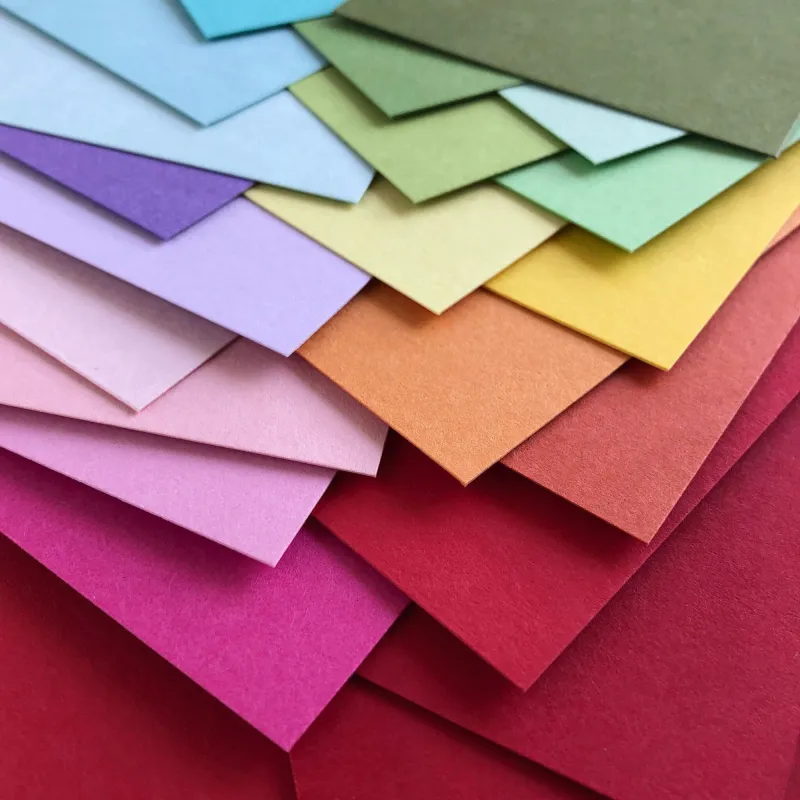
Photo: cardstock grain direction scoring bone folder handmade card flat, via cdn.shopify.com
There is a particular kind of heartbreak that comes from pulling a finished card out of the envelope and watching it curl up at the corners like a sleeping cat. You have layered, stamped and glued with care. The design is lovely. The card base, however, has decided to do its own thing. Nine times out of ten, the problem is not your glue or your technique. It is the grain of the cardstock, the way you scored it, and how it has been stored since. The good news? You can spot all three problems in about five minutes, before you cut into your next batch.
Why card blanks bow in the first place
Cardstock is made of paper fibres. During manufacture, most fibres line up in one direction — the grain. That direction affects how the sheet folds, curls and reacts to moisture. A card blank cut so its fold runs across the grain will often fight the crease. Add a little glue on one side, a damp baby wipe on your fingers, or a few days standing upright in a box, and the imbalance shows up as a bow. Coated card can be especially dramatic: the coating takes up moisture differently from the core, so one side swells slightly more than the other.
Grain, without the jargon
Think of cardstock as having a with-grain direction and an across-grain direction. If you fold along the grain — that is, the crease line runs parallel to the fibres — the fold tends to be smoother and the card base more cooperative. Fold across the grain and you may get a rougher crease, a cracked coating, or a blank that refuses to lie flat. This is why two packs of the same weight can behave completely differently. It is also why a card that worked beautifully in one colour can be a nightmare in another.
The five-minute kitchen-table test
Before you score a whole batch, make a tiny sample. Cut two 5cm squares from the same sheet. On one, score a line down the middle from top to bottom. On the other, score from left to right. Fold both along the score line, burnish with a bone folder, then open them out and compare. The fold that looks cleaner, with less cracking and a neater crease, tells you which way the grain runs: the score line that folded best is the one running parallel to the grain. Make a pencil mark on the corner of the parent sheet — grain this way — and keep it with the pack. It takes five minutes and saves a whole afternoon of muttering at card blanks.
Scoring with the grain, not against it
Once you know the grain, plan your cuts so the fold line runs parallel to it. Score first, fold second, and use a light hand. You are creating a hinge, not carving a trench. One firm pass with a bone folder is usually better than three heavy ones, which can compress the card and make the crease brittle. If a design insists on a fold across the grain — a landscape card, for example — score very gently, fold slowly, and burnish from both sides. A slim strip of matching card or a piece of washi tape along the inside spine can add support without showing.
Also, score the side that will sit inside the fold where possible, so the crease is hidden. Always test on an offcut first, especially with coated, pearlescent or textured card. Those finishes are beautiful but they have opinions.
Storage habits that keep a card flat
A finished card is not finished until it has been trained. Store blanks and finished cards flat, not upright in a file, and keep them away from radiators, windowsills and damp sheds. If you have added glued layers, let them dry under a clean weight — a heavy book wrapped in greaseproof paper works a treat. Avoid over-wetting your adhesive; a little double-sided tape in the corners is often enough. And if a card has already started to bow, place it between two sheets of clean paper and press it under a stack of books overnight. It will not fix a badly cut blank, but it will rescue a slightly tired one.
A small check, a much better batch
Grain direction is one of those quiet craft details that nobody notices when it is right and everybody feels when it is wrong. Before your next batch of birthday cards, Christmas makes or just-because notes, spend five minutes testing the cardstock. Mark the grain. Score with it where you can. Store the results flat. Your cards will sit properly in their envelopes, your folds will look sharper, and you can get back to the fun part: choosing the pretty paper for the top.