Five Festive Cards, One Charity-Shop Haul: The £5 Christmas Craft Challenge
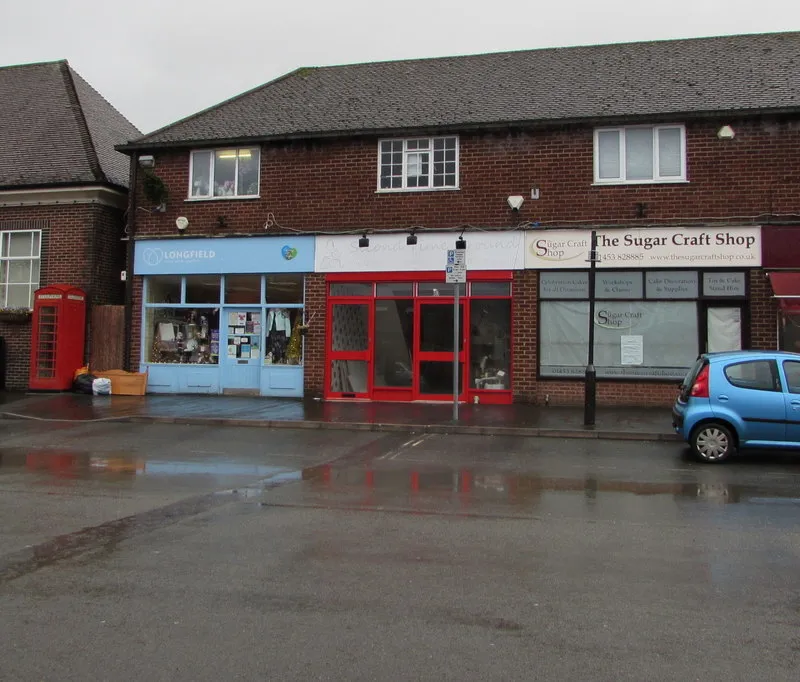
Photo: Jaggery , CC BY-SA 2.0, via Wikimedia Commons
Christmas crafting has a habit of getting expensive. There is always one more paper pad, one more set of dies, one more roll of ribbon that would be lovely. So here is a challenge for Christmas 2026: take £5 to your local charity shops and make five festive cards from what you find. Not five sad, scratchy cards. Five cards you would happily give to the person who notices details.
The rules are simple. Spend no more than £5 on charity-shop ingredients. You can use your basic stash: card blanks, glue, scissors, a black pen, maybe a stamp or two. The aim is not to buy nothing new ever again. It is to prove that pre-loved paper, buttons and ribbon can look intentional, polished and properly festive.
The rules of the £5 challenge
Set a strict budget and stick to it. A fiver goes further than you think if you buy bundles rather than single items. Look for a pack of old greeting cards for £1, a wallpaper sample book for 50p, a damaged book for 50p, a tin of buttons for £1 and a bag of ribbon odds and ends for £1. That is your haul. Everything else comes from your stash.
Try a 50p-per-card rule for the charity-shop ingredients. It keeps the challenge playful and stops you buying a £4 vintage brooch because it is “for the card”. If you go over on one card, balance it with a cheaper one.
Where to hunt in the UK
Charity shops are the obvious starting point: Oxfam, British Heart Foundation, Cancer Research UK and local hospice shops all tend to have paper bundles, old cards, books and haberdashery. Church fairs, jumble sales and car boot sales are goldmines in season. Scrapstores and craft reuse centres are worth a look if you have one nearby. Ask friends and family for wallpaper sample books and damaged books before they go to recycling.
Be a good charity-shop citizen. Buy the bundle rather than picking the best bits out of it, ask before taking donations, and do not haggle in a shop that is raising money for a good cause. The point is sustainable crafting, not a race to the bottom.
Card 1: The vintage-card focal point
Old greeting cards are the easiest charity-shop win. Look for cards with clean images, no handwritten message across the front, and a bit of old-fashioned charm. Cut around a robin, a snowy church or a vintage Santa, then mat it onto cream card with a thin border. Add a book-page background and a simple stamped sentiment.
The design trick is restraint. One vintage image, one background, one sentiment. Do not add three other motifs just because they are festive. A clean mat and a fine gold pen line around the edge make the image look curated rather than cut from a jumble-sale card.
Card 2: Wallpaper with a designer accent
Wallpaper sample books are brilliant for cardmakers. The patterns are often larger and more interesting than standard craft paper, and a small piece goes a long way. Choose a sample with a Christmas-adjacent pattern: a deep green damask, a tiny red print, a metallic snowflake. Use it as a background panel, but keep the rest of the card plain.
Cut a panel slightly smaller than the card front and mat it onto white. Add a simple die-cut shape or a stamped greeting in a solid colour picked from the wallpaper. The trick is to let the pattern be the star and keep every other element quiet. A busy wallpaper plus a busy sentiment plus a bow is a recipe for visual noise.
Card 3: Book-page baubles
A damaged old book can become a whole set of cards. Tear out a few pages, ink the edges with a brown ink pad if you have one, and punch or die-cut three bauble shapes. Layer them down the card front at slightly different heights, add thin twine or ribbon loops, and finish with a small sentiment.
The design trick is repetition with variation. Three baubles in the same shape but different sizes look intentional. Three completely different shapes look like leftovers. Keep the palette to book-page cream, one metallic accent and one dark ink. If you do not have a bauble punch, use circles or tag shapes. The principle is the same.
Card 4: The button wreath
A tin of charity-shop buttons is a lovely thing. Sort out a handful in one colour family: all greens, all creams, or all reds and golds. Arrange them in a circle on the card front, then glue them down with strong craft glue. Add a small ribbon bow at the top and a stamped sentiment underneath.
The design trick is editing. Do not use every button in the tin. Choose buttons of similar size and tone so the wreath reads as a wreath rather than a button explosion. This card is best hand-delivered or sent as a parcel because of the dimension, but it is worth it for a special recipient.
Card 5: Ribbon-scrap tree
Ribbon bundles often contain short lengths that are too small for bows but perfect for a simple tree. Cut strips into graduated lengths, arrange them in a triangle, and glue them flat to the card. Add a tiny star at the top and a sentiment at the bottom.
The design trick is tidy edges. Trim every ribbon end neatly, keep the gaps even, and use a limited palette. If the ribbons are patterned, keep the background plain. If the ribbons are plain, you can add a patterned paper strip behind the tree. Crisp scoring and a clean white card blank make the whole thing look far more expensive than it was.
The design tricks that make it look expensive
Thrifty materials need good design to look polished. Start with a limited colour palette: two or three colours plus a neutral. Mat your focal elements onto plain card so they do not look stuck down. Leave white space. Repeat a shape or colour so the card feels deliberate. Use a fine black or gold pen for tiny details. And always finish with a clear sentiment, because a card without a greeting can look like a craft experiment.
Scale matters too. A tiny button on a huge card looks lost. A large wallpaper pattern on a small panel can look choppy. Hold your pieces next to the card blank before you glue anything down. If it looks balanced on the desk, it will look balanced in the envelope.
A sustainable stash for 2026 and beyond
Once you start looking, charity shops become a regular craft resource. Keep a small box for paper bundles, another for buttons and ribbon, and a folder for wallpaper samples. Store them by colour so you can shop your own stash before buying anything new. The £5 challenge is not about being perfect. It is about noticing what is already out there and giving it another life on a Christmas card.
Five cards, one fiver, and a very satisfying afternoon of cutting and sticking. That is a Christmas craft tradition worth keeping.