The Someday Drawer Is Not a Museum: Cut Into Your Best Paper This Week
Photo: Charles Rohlfs, CC BY-SA 4.0, via Wikimedia Commons
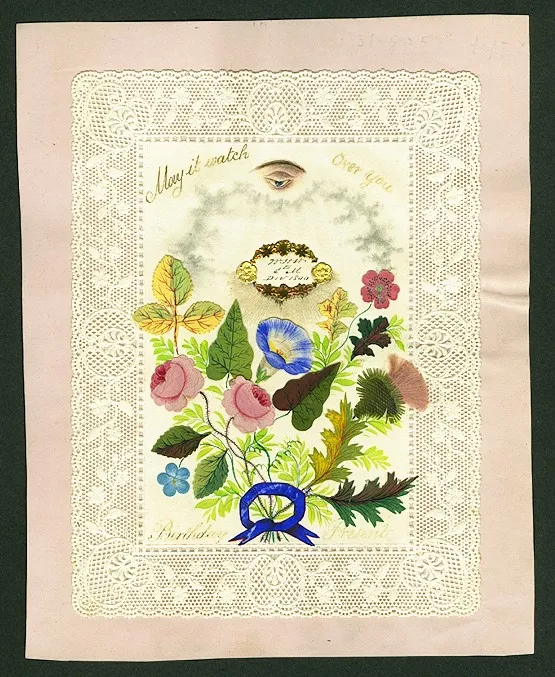
There is a drawer in most craft rooms that has nothing to do with storage and everything to do with hope. It is where the good paper goes. The sheet with the hand-painted florals. The cardstock in that impossible shade of midnight blue. The die set you bought because it was beautiful, not because you had a plan. And there it sits, season after season, waiting for a project worthy of it.
I know that drawer well. Mine used to have a paper pad so lovely I could barely bring myself to break the seal. Every time I opened it, I would think, not yet. Not for a birthday card for my cousin. Not for a quick thank-you note. Definitely not for a Tuesday afternoon experiment. That pad became a sort of museum exhibit: look, but do not touch.
The trouble with waiting for the perfect project
The perfect project is a moving target. It might be a wedding album, a milestone birthday, a framed piece for the hallway. But the longer you wait, the more pressure you pile onto the paper. Eventually, no card feels special enough. The good stuff stays pristine, and the ordinary cards get made with the ordinary supplies. Your best work goes to the projects that never quite happen.
Meanwhile, the paper ages. Not dramatically, but quietly. Corners soften. Colours fade slightly. Adhesives dry up. Tastes change. That pad you loved in 2023 might feel less exciting in 2026, not because it is bad, but because you have moved on. Saving it has not preserved its value. It has just delayed its purpose.
There is also a quieter cost. Every time you bypass the good supplies, you tell yourself a small story: this card is not important enough. That is a strange message to send to yourself about a handmade birthday card, a note to a neighbour, or a cheer-up card for a friend. The paper is not the point. The connection is. And ordinary moments deserve nice paper too.
What using the good stuff actually changes
When you cut into that favourite sheet, something shifts. You stop treating your supplies like a test you might fail and start treating them like materials. The first cut is the hardest. After that, it is just paper again, and paper is meant to be folded, scored, stamped and sent.
Using the good stuff also builds confidence. You learn how the paper behaves. Does it crack when scored? Does it take ink well? Is it better for a simple die-cut shape than a busy background? You cannot learn any of that from a sealed pad. You learn it by making a slightly wonky card and discovering that the world does not end.
And it reduces stash guilt. That is the feeling you get when you look at a cupboard full of lovely things and feel vaguely bad about all of them. The fastest cure is not a reorganising session. It is using something. One sheet, one die, one special cardstock. The drawer stops being a monument to good intentions and becomes a working part of your craft space again.
Three low-pressure prompts for this week
You do not need a grand plan. You need a small, ordinary reason to cut.
1. Make the next birthday card first
Before you reach for your everyday cardstock, open the good drawer. Pick one sheet you have been saving and use it as the main panel or the focal die-cut on the next birthday card you need. Not a milestone birthday. Not a commission. Just the next one in your diary. Let the paper be the star and keep the layout simple: a clean white base, one patterned panel, a stamped sentiment and perhaps a narrow strip of contrasting cardstock. That is enough. The card will look considered because the paper is doing the work.
2. Use a scrap-sized piece
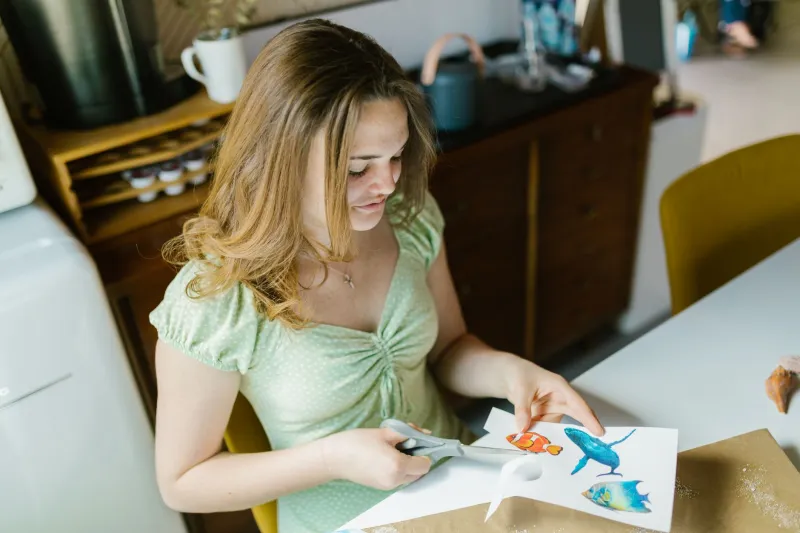
If a whole sheet feels too daunting, cut a small piece. A 6cm square. A tag shape. A circle for a sentiment topper. Use it on a note card for a friend, a thank-you card for a parcel delivery, or a just-because card for someone who needs one. The piece is small enough that a mistake will not sting, but it gets the seal broken. Once the pad is open, it is much easier to open it again.
3. Set a five-minute timer
Choose one special supply, set a timer for five minutes, and make something deliberately unfinished. A background panel. A die-cut cluster. A stamped focal point. Do not aim for a finished card. Aim for permission. When the timer goes off, put the pieces in a small envelope on your desk. You have just given yourself a head start for another day, and you have proved that the good supplies can survive being touched.
Keep the good stuff in circulation
A useful habit is to keep one sheet of your favourite paper on the desk, not in the drawer. Let it get slightly creased. Let it be part of the furniture. When you can see it, you are far more likely to use it. The same goes for a special die: leave it out for a week. It will stop being precious and start being a tool.
This is not about being reckless with your budget. It is about being honest about why we craft. We do not make cards so that our supplies can stay perfect. We make them so that someone can open the post and feel remembered. The paper is just the messenger. Let it do its job.
So this week, open the drawer. Pick the sheet you have been saving. Cut it, score it, stamp it, send it. The perfect project is not waiting for you. The perfect project is the card you make on an ordinary Wednesday, with paper you love, for someone who will be glad you did.